Entry · Ref A6CXRQP5
Understanding Cannabis Concentrates: From Live Resin to Hash Rosin
- Posted
- 2026-10-11
- Last amended
- 2026-10-11
- Account
- @getcannabisconcentratesfocus
If you have spent any time around the modern cannabis scene, you have likely noticed a shift in how people consume the plant. While dried flower still has its place, more and more enthusiasts are turning to products that deliver a more refined experience. This is where cannabis concentrates come into play. These are not just novelties or niche products; they represent a whole category of cannabis that demands respect, knowledge, and the right gear. I have been working with these materials for years, and I want to share some real-world insight into what makes each type special, how they are made, and how to get the most out of them.
What Are Cannabis Concentrates?
At its simplest, a concentrate is the result of stripping away plant material to leave behind a dense collection of the compounds that matter most: cannabinoids like THC-A and CBD isolate, along with the aromatic compounds known as terpenes. The goal is to increase potency and refine flavor. The methods used to achieve this range from ancient hand-rubbing techniques to modern chemical processes. What unites them all is a focus on the glandular trichomes - the tiny, resinous hairs on the cannabis plant that hold the majority of its active ingredients. When you consume a concentrate, you are essentially taking a shortcut to the plant's essence.
There is a common misconception that all concentrates are the same. In reality, the category covers everything from a sticky, golden live resin that tastes like the fresh harvest to a translucent, glass-like shatter that breaks cleanly when handled. The texture, potency, and flavor profile depend heavily on the extraction method and the starting material. Understanding these differences is key to choosing the right product for your needs.
Extraction Methods: Solventless vs. Hydrocarbon
One of the first forks in the road when discussing concentrates is the extraction method. Broadly speaking, we have solventless extraction and hydrocarbon extraction. Solventless methods rely on physical separation - think ice water hash or hand-pressed rosin. These techniques use no chemical solvents, only temperature and pressure. The result is a product that many purists prefer because it retains a more complete cannabinoid profile and a truer representation of the plant's original terpene expression.
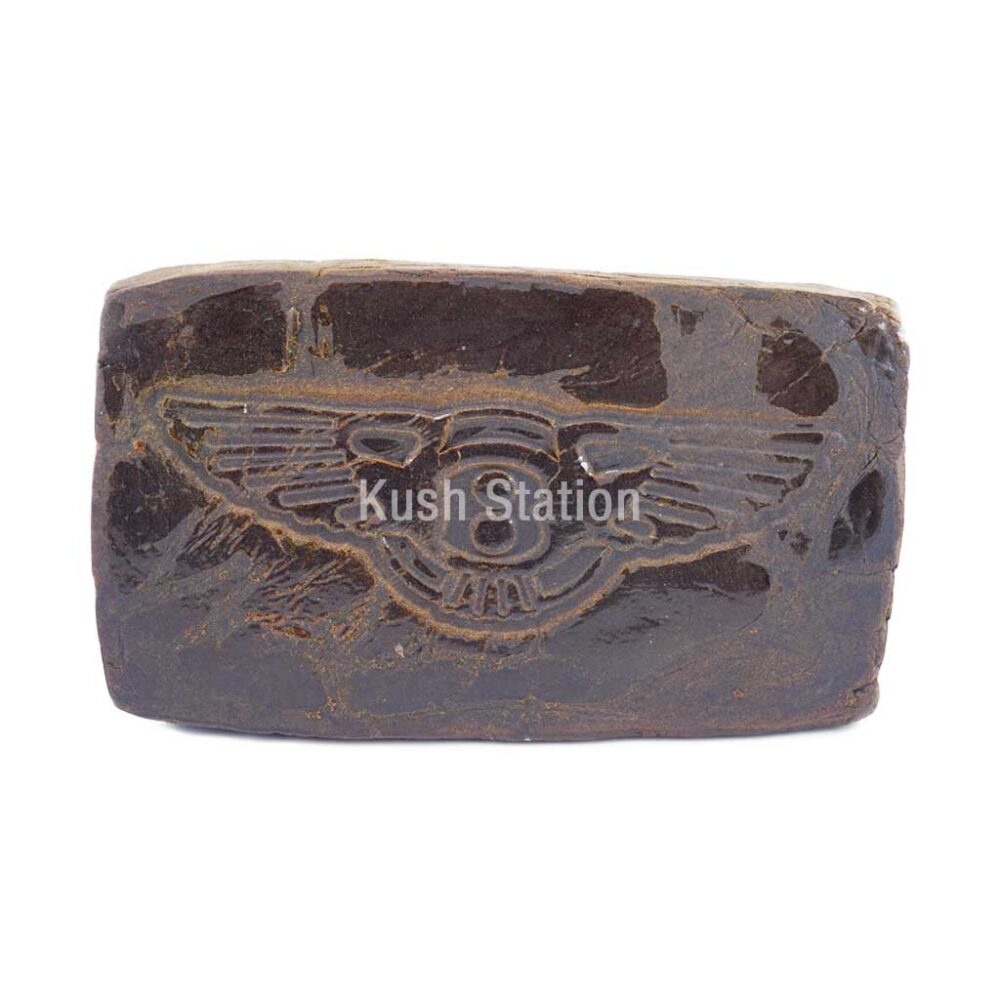
On the other side, hydrocarbon extraction uses solvents like butane or propane to strip cannabinoids from the plant material. This process can yield huge quantities of concentrate very efficiently, but it also pulls out more chlorophyll and other plant compounds. The resulting product, often called BHO (butane hash oil), can be incredibly potent but may lack some of the nuanced flavors found in solventless extracts. The choice between these methods often comes down to what you value more: raw potency or flavor fidelity. There is no wrong answer, but knowing the difference helps you make an informed purchase.
Types of Concentrates and What to Expect
Let me walk through some of the most common forms you will encounter. Each has its own personality, and each pairs best with specific hardware.
Live Resin and Hash Rosin
Live resin is made from freshly harvested, flash-frozen plants. The term "live" means the plant material was never dried or cured; it was frozen immediately after harvest. This preserves a wider range of volatile terpenes, which translates into a more aromatic, flavorful experience. When you open a jar of good live resin, the smell can fill a room. It is a favorite among those who chase the scent of the plant as much as its effects.
Hash rosin, on the other hand, starts with already-made hash. That hash is then pressed between heated plates to squeeze out a concentrated oil. This two-step process can produce a very clean, potent product that retains much of the hash's original character. I have found that hash rosin often has a more rounded, full-bodied effect compared to live resin, partly because the initial hash step concentrates a broader range of cannabinoids. Both are excellent choices, but they shine in different contexts.
Shatter, Budder, and BHO
Shatter is one of the most recognizable forms of concentrate. It has a glass-like, translucent appearance at room temperature but becomes more pliable when warmed. It is typically made using a solvent-based extraction, and its consistency is a result of careful temperature control during processing. Shatter can be very potent, but it can also be brittle and tricky to handle. If you drop a piece, it can shatter into tiny fragments that are hard to collect. A steady hand and a good dab tool are essential.
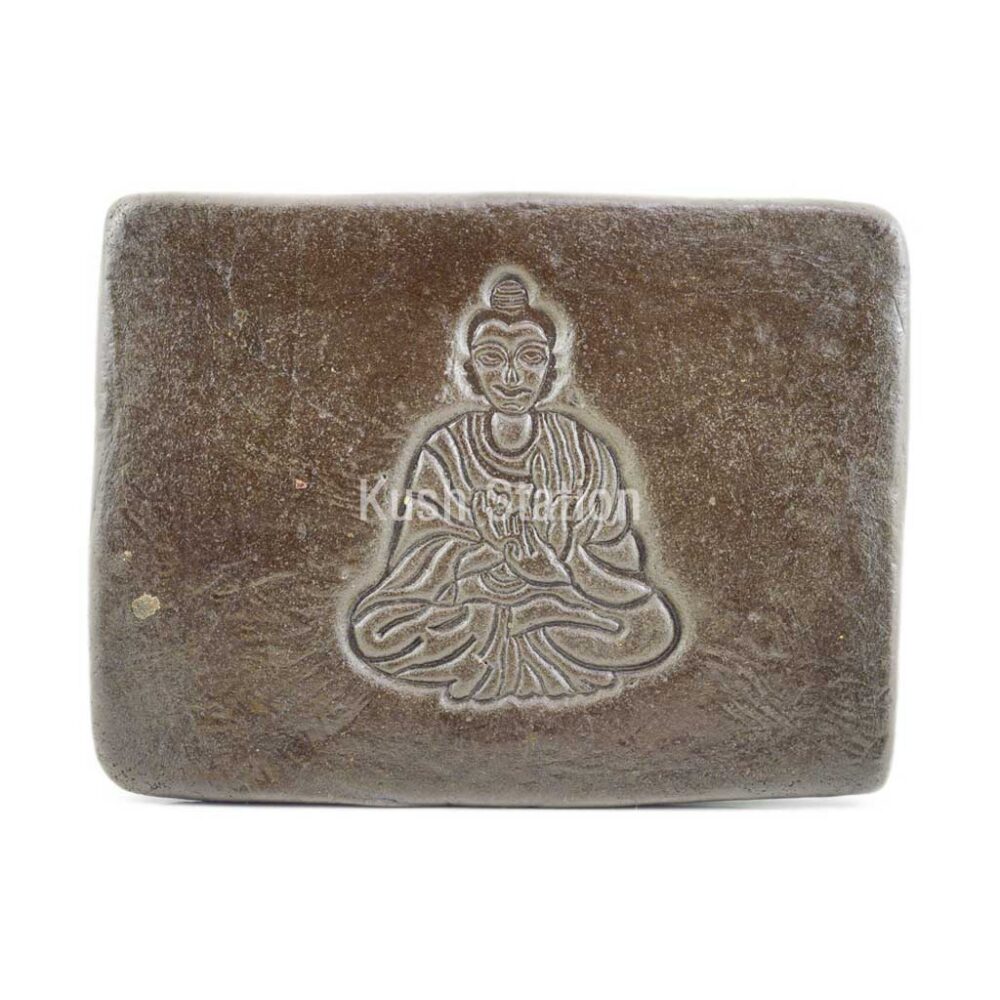
Budder, also called badder, has a creamy, butter-like consistency. It is often made by whipping or agitating a concentrate during the purging process to incorporate air and create a softer, more workable texture. Budder is easier to handle than shatter and tends to vaporize evenly. It is a popular choice for beginners because it is forgiving to load into a dab rig or vape pen. BHO, or butane hash oil, is a catch-all term for concentrates made using butane as a solvent. It can vary widely in quality, from dark, low-grade oils to light, golden extracts. The best BHO is potent and affordable, though it may not have the terpene complexity of solventless options.
Gear and Technique: Getting the Most Out of Your Concentrate
Having good material is only half the battle. The equipment you use and how you use it can dramatically change your experience. The most common tool for consuming concentrates is the dab rig, a water pipe designed specifically for vaporizing oils and waxes. At its heart is the quartz banger, a bucket-like nail that you heat with a torch. Temperature control is critical here. If you heat the banger too hot, you will burn off the terpenes and destroy the flavor. You may also risk decarboxylation, which converts THCA into THC but can degrade other desirable compounds. If you go too cold, the material may not vaporize fully, wasting product and leaving a residue.
For those who want precision, an enail (electronic nail) is a worthwhile investment. It maintains a set temperature with minimal fluctuation, allowing you to dial in your ideal hit every time. I have seen people chase the perfect dab temperature for years, and the sweet spot usually falls between three hundred and fifty and four hundred and fifty degrees Fahrenheit. At these temperatures, you get a thick, flavorful vapor without the harshness of a burnt hit. For portable use, a vape pen with a ceramic coil is a solid option. Ceramic coils heat evenly and are less likely to scorch your material than metal coils. They also tend to produce cleaner flavor.
Practical Advice for Beginners
If you are new to concentrates, start slow. The potency can catch you off guard. A single grain of rice-sized dab is often enough for an experienced user, so beginners should start even smaller. Also, be mindful of the cannabinoid profile of what you are buying. Some concentrates are very high in THC-A and low in other cannabinoids, which can lead to a one-dimensional, sometimes overwhelming effect. Look for products that list a broader range of cannabinoids, including CBD isolate if you want a more balanced experience. And always ask about the extraction method. A reputable seller will be happy to tell you whether their product is solventless or solvent-extracted, and what starting material was used.
Storage matters too. Concentrates are sensitive to heat, light, and air. Keep them in a cool, dark place in an airtight container. Silicone jars are common, but they can leach terpenes over time. Glass jars with a tight seal are better for long-term storage. If you notice your concentrate getting darker or losing its smell, it may be degrading. Use it sooner rather than later. Proper storage preserves the flavor and potency, and it saves you money in the long run.
The Future of Concentrates
The world of cannabis concentrates is evolving fast. We are seeing more emphasis on terpene preservation and solventless extraction as consumers become more educated. Products like live resin and hand-pressed rosin are gaining popularity because they offer a cleaner, more flavorful experience. At the same time, advancements in hydrocarbon extraction are producing cleaner BHO than ever before. The line between solventless and solvent-based is blurring as processors adopt better purging techniques. What remains constant is the demand for transparency. People want to know what is in their concentrate and how it was made. That is a healthy trend, and it pushes the industry to keep improving.
Whether you are reaching for a dab rig with a quartz banger, an enail for precise temperature control, or a simple vape pen with a ceramic coil, the key is to match your gear to your material. A delicate, terpene-rich live resin deserves a low-temperature dab, while a sturdy shatter can handle a bit more heat. Pay attention to the details, and you will unlock the full potential of these remarkable products. The journey from plant to palate is fascinating, and the more you learn, the more you will appreciate the craft behind each jar.